



Telcos have a blue ocean of opportunities in front of them. According to consultancy Simon-Kucher, global telcos capture only 60% of their full potential in customer value, leaving almost half on the table. And loyalty is the “economic backbone of the industry,” experts say.
“Retaining existing customers is ten times more cost-effective than acquiring new ones, and on average, these customers spend 7% more than newly acquired subscribers,” wrote Kajetan Zwirglmaier and Alexander Zimm, consultants at Simon-Kucher.
While there are a few ways to increase loyalty among customers, Zwirglmaier and Zimm believe that going beyond digital is one of the key areas carriers should focus on.
“High-quality, multi-channel support remains a decisive loyalty factor. Consistent interaction across service touchpoints doesn’t only build trust but can almost completely compensate prior dissatisfaction on earlier service encounters and thereby encourage longer tenure,” they added.
It’s All About Retail and Dentists
“Most end-consumers that you talk to want to avoid going to a telecom retail store because it feels like a painful experience, like it’s the dentist, right?”
I couldn’t help but smile and agree with Megan Howse, Lead Marketing at iQmetrix, who was just explaining how important a positive in-person experience is for telecoms businesses.
The Canadian company, launched in 1999 by entrepreneur Christopher Krywulak, has specialised in the telco retail service and in making it more human, according to iQmetrix. It offers solutions ranging from point-of-sale software to omnichannel activations. Some of its clients include Verizon, AT&T, USCellular, and Samsung.
Howse shared that in Canada and the United States, the brand’s two major markets, she’s been seeing a problematic trend emerge among customers – one that, ironically, opens the door to new opportunities.
“Customers are just not loyal to brands anymore,” she warned. “The competitive nature is fighting down now on price. It’s more about who can offer the cheapest plan out there, rather than raising your brand experience and charging a premium because consumers are willing to pay more for better support.”
That seems to be a global customer behaviour. “The retail experience varies widely by geography, but the pain point of the consumer experience seems to be consistent regardless of the market,” Howse added.
More Than ‘Another Sale’
While the data points to in-store customer experience as a strong pillar for telcos’ profitability, is there a way to actually measure the investment payoff?
“We can’t open numbers, but one of the carriers we are working with in Canada was able to displace five different vendors by using our interconnected commerce technology,” she said.
“This carrier was working with multiple vendors. But through streamlined integrations, it reduced all that complexity on its tech stack and the maintenance and support that it was trying to do in-house, which is massive savings, like hundreds of millions of dollars per year.”
Another example is Jump.ca, an iQmetrix client founded by Krywulak’s family. It has been trying to put the “in-store customer service experience” into practice, according to Howse.
“[Jump.ca] Really gets it and gets this in-store experience that they’re trying to build, that hub with the human connection,” she explained.
“Rather than us walking into a store and just being another sale, it’s truly sitting side by side, teaching consumers how to use the devices, going through different rate plan options and building that trust.”
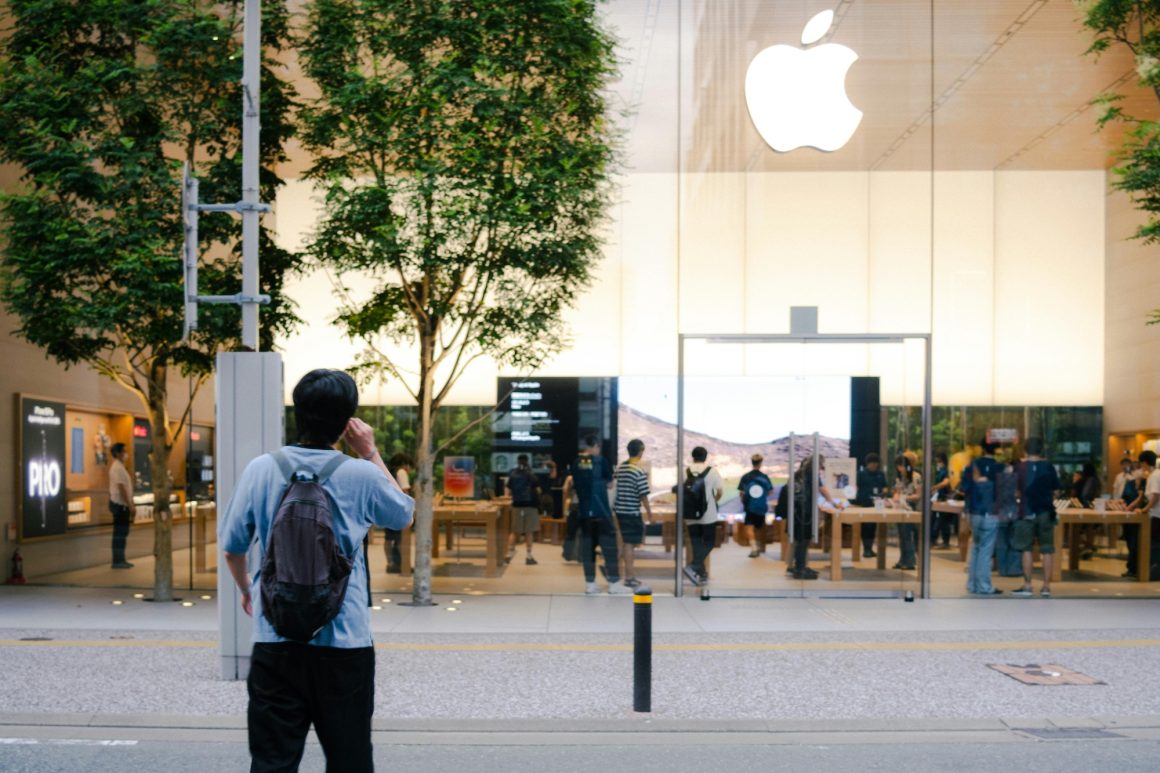
Jump.ca has 20 stores across the province. “They’ve really focused on building out like an ‘Apple-style’ model of learning experiences and having it look very ‘techie’ and beautiful.”
From Canada to the World
In 2025, iQmetrix’s solutions were used by more than 370,000 telecom retail professionals across almost 1,000 clients. They powered $17 billion in sales, handling nearly 53 million invoices and more than 28 million activations.
So, is that enough? “For us, our presence is largely in Canada and the US right now. But we are aiming to expand globally this year,” Howse explained.
The company aims to be in more markets by the end of 2026 while also making “a ton of advancements” on its software.
“We’ve been replatforming the last two years so that we are now built on an AI-native by design platform. We want to make sure we have AI components to it so that, rather than trying to fight with inventory management and SKUs and things like that, you can send an agent out to manage all of your inventory, do all of your ordering automatically, things like that,” she concluded.
Alex Lawrence contributed to this article